
Small Group Travel in Iceland: How to Balance Freedom With Shared Experiences
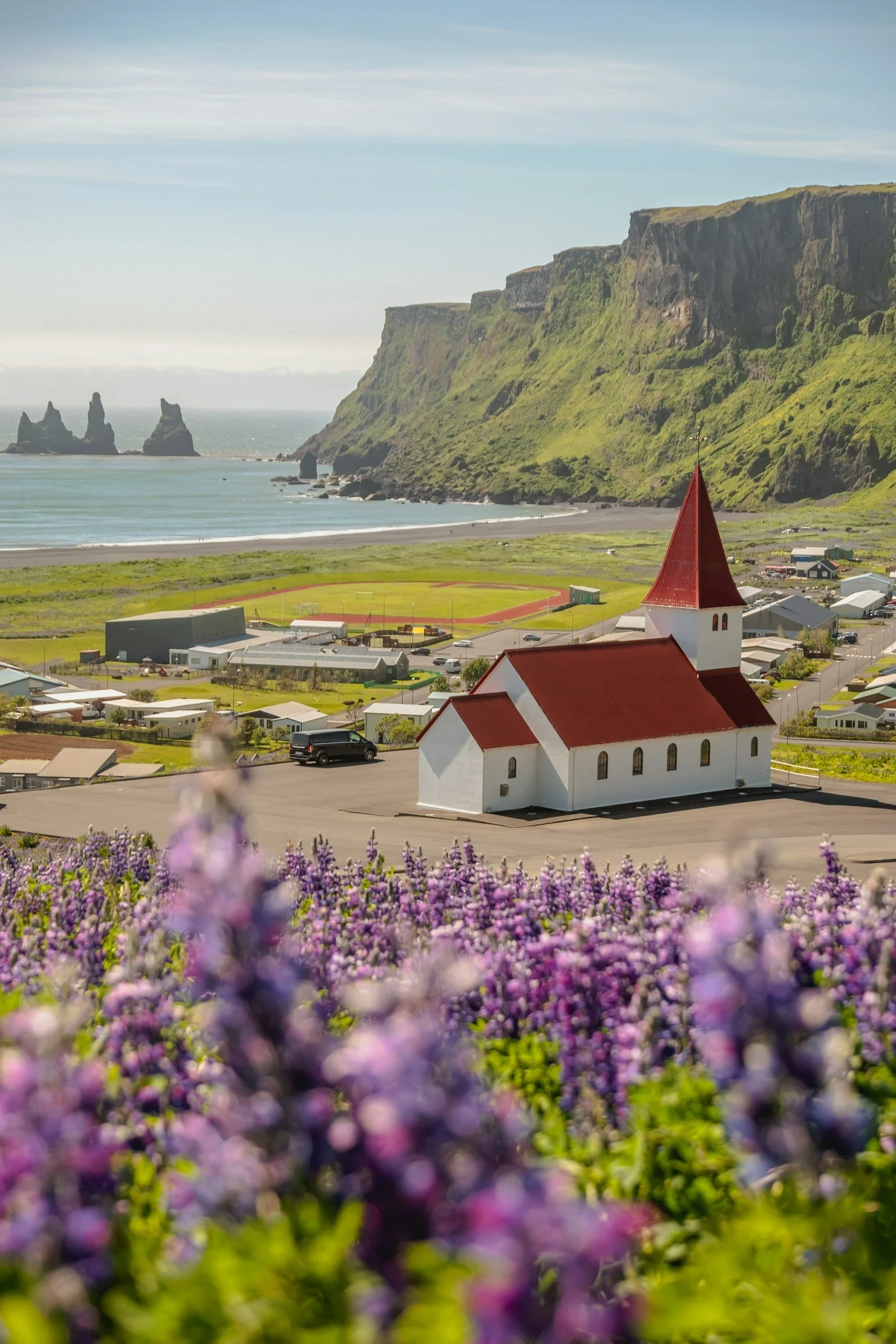
Small group travel in Iceland sits between independent travel and larger organized tours. It allows travelers to explore the country with freedom, while still sharing parts of the journey with others. For many, this balance is what makes the experience both practical and rewarding.
Iceland’s long distances, changing weather, and remote landscapes often shape how each day unfolds. Sharing transport, planning, and local knowledge can make travel easier.
It still allows travelers to keep a strong sense of independence.
Want to know whether small group travel in Iceland suits your travel style? Read on to learn how it works, where it fits best, and what to expect along the way.
Why Small Group Travel in Iceland Works So Well
Iceland’s geography makes it well-suited to small group travel. Many of the country’s main sights are separated by long driving distances. And outside towns, the landscape can feel remote, even along main roads. Small groups can adapt more easily by changing timing, routes, or stops. Larger tours usually follow fixed schedules.
The weather is another factor. In coastal and rural areas, weather changes can happen quickly, requiring plan readjustments. Small groups can adapt more easily by altering timing, routes, or stops, while larger tours tend to follow fixed schedules.
There are practical benefits as well. Sharing transport and planning reduces individual effort and can lower costs. A local guide also adds context and supports day-to-day decisions. This is particularly useful in national parks, along longer routes such as the Ring Road, and in less populated regions.
Finally, small group travel allows experiences to be shared without constant social pressure. Travelers can spend time together at key sites, while still keeping space for independence and quiet moments.
Small Group Travel in Iceland vs Independent Travel
Both small group travel and independent travel are common ways to explore Iceland. Each approach has clear advantages, and the right choice often depends on your travel experience, confidence, and personal priorities.
Independent travel offers:
Full control over your schedule
Complete freedom to change plans
A strong sense of personal discovery
Small group travel offers:
Less planning and decision-making
Local knowledge from a guide
Shared driving and navigation
Built-in social interaction
For first-time visitors, small group travel in Iceland often feels less overwhelming. For experienced travelers, it can reduce stress from planning while still allowing flexibility. Many visitors choose a hybrid approach, combining a small group trip to Iceland with free days in Reykjavík.
Popular Routes for Small Group Travel in Iceland
Iceland has several routes that work particularly well for small groups. These journeys combine scenic variety, manageable distances, and opportunities for shared experiences.
1. Golden Circle: Iceland’s classic sightseeing route
The Golden Circle is often the first introduction to Iceland. It includes Þingvellir National Park, the Geysir Geothermal Area, and Gullfoss Waterfall.
In a small group, this route feels more relaxed. You can avoid peak times and spend longer at places that interest you most. Many Golden Circle day tours also include stops at lesser-known locations or nearby hot springs.
2. South Coast: Waterfalls, black sand beaches, and glaciers
The South Coast is one of Iceland’s most dramatic regions. Highlights include Seljalandsfoss, Skógafoss, Reynisfjara black sand beach, and glacier outlets like Sólheimajökull.
This route works well for both day tours and multi-day trips. Small groups can easily add optional activities, such as a glacier hike or a coastal ATV tour. Weather conditions often shape the day in this region, and smaller groups can adapt more easily.
3. Snæfellsnes Peninsula: Often called “Iceland in miniature”
Snæfellsnes offers a mix of landscapes in a compact area, hence its nickname. Lava fields, coastal cliffs, mountains, and fishing villages are all close together.
For small group travel, this route offers variety without long drives between destinations. It’s ideal for travelers who want to see a wide range of scenery in a single day. Many visitors even consider it a highlight of any trip to Iceland.
4. North Iceland: Hot springs, waterfalls, and wildlife
North Iceland is known for geothermal areas, powerful waterfalls, and quieter towns. It’s home to another popular sightseeing route, the Diamond Circle, which features Lake Mývatn, Goðafoss, Dettifoss, Ásbyrgi Canyon, and more.
The region is also popular for whale watching and puffin tours during the summer months. Small groups often have a better experience, both on land and at sea. The pace is slower here, making it a good contrast to the busier south.
5. Westfjords: Iceland’s most remote and dramatic region
The Westfjords are one of Iceland’s least visited regions and are defined by steep fjords, coastal cliffs, and small settlements. Distances are longer than they appear on a map, and services between towns can be limited. Because of this, the region is best suited to experienced travelers and multi-day itineraries.
In a small group, driving, navigation, and daily planning are shared, which helps manage narrow roads and long travel days. The slower pace and isolation encourage a shared experience, making travel time and small stops part of the journey.
6. Icelandic Highlands: A summer-only destination
The Icelandic Highlands are accessible only in summer and require special vehicles. Rivers, volcanic terrain, and geothermal areas dominate the region, with Landmannalaugar and Þórsmörk among the most popular spots.
Small group Super Jeep tours are often the best way to visit this area. A local guide handles route planning and safety, allowing travelers to focus on admiring the landscape. For active travelers, joining a small-group multi-day Laugavegur hiking tour is another great option.
7. Iceland’s Ring Road: A complete Iceland adventure
The Ring Road circles the country and links many of Iceland’s major regions and landscapes. Traveling this route is a multi-day experience and can be done either in full or by focusing on selected sections.
In a small group, the Ring Road feels more manageable. Long driving days are shared, and planning is simplified. Small group tours often include accommodation and transport, with some itineraries also covering selected activities and meals. This structure allows travelers to focus on the journey itself while still moving at a steady, realistic pace.
Day Tours and Multi-Day Small Group Tours in Iceland
Many travelers in Iceland combine different tour styles. Day tours from Reykjavík are ideal for short stays or as part of a flexible itinerary. They often cover the Golden Circle, the South Coast, or nearby attractions such as the Blue Lagoon.
Multi-day small-group tours allow for deeper exploration. Accommodation, transport, and activities are arranged, which eliminates the stress of planning. These tours are popular in the Ring Road, the Westfjords, and the Icelandic Highlands.
Both options benefit from a local guide who understands conditions, timing, and safety. Group tours in Iceland work best when the group size stays small, and the pace remains flexible.
Small Group Travel in Iceland for Solo Travelers
For a solo traveler, Iceland can feel both rewarding and demanding. Small group travel offers a middle ground between independence and support.
You retain control over your personal time while sharing key parts of the journey with others. There is no expectation to socialize constantly, but you are not alone during long drives or outdoor activities. Many small group tours in Iceland include solo travelers, which makes social interaction feel natural rather than forced.
Small group travel can also simplify planning and costs. Transport and routes are usually arranged in advance, reducing preparation time and helping solo travelers avoid carrying these expenses alone.
This approach can also feel more reassuring when traveling to Iceland in winter or when visiting less populated regions. Changing conditions and long distances require careful planning, which becomes more manageable when handled by experts.
Choosing the Right Base in Reykjavík for Small Group Travel
Reykjavík works well as a base for small group travel in Iceland. The city is compact, walkable, and well-connected to day tours and major transport routes.
When choosing where to stay in Reykjavík suited for small groups, look for:
A central location within walking distance of shops, restaurants, and city attractions
Flexible accommodation layouts with shared living areas and private bedrooms
Kitchen or kitchenette access for simple meals, early departures, or late returns
Easy access to Iceland small group tours’ pickup and drop-off points
Boutique hotels in Reykjavík, such as Reykjavík Residence Hotel, are often well-suited to these needs. It offers apartment-style accommodation with shared living areas and private rooms, all within easy walking distance of the city centre.
Experience Iceland Through Small Group Travel
Small group travel in Iceland offers a practical balance between independence and shared experience. It allows travelers to move through the country with confidence, while reducing the effort involved in planning and daily logistics.
Whether joining a small group day trip from Reykjavík or a multi-day experience, this approach suits Iceland’s landscape and pace. For many visitors, it’s the most balanced way to visit Iceland and experience everything the country has to offer.
FAQs About Small Group Travel in Iceland
What is the best tour group for Iceland?
The best option is a small group tour in Iceland with experienced local guides. Smaller groups allow for flexibility, better access to sights, and a more personal experience.
How many people are on a small group tour?
Most small group tours in Iceland include between 4 and 19 people. This size keeps travel comfortable and adaptable.
Is it cheaper to travel alone or with a tour group?
Solo travel in Iceland can be cheaper for experienced planners, but group tours often include transport, planning, and expert guides. For many travelers, the value balances out.
What are the disadvantages of traveling in a group?
Group travel requires some compromise. You may not control every stop or timing. However, small groups minimize these limitations by offering a more flexible and accommodating itinerary.
Can you tour Iceland on your own?
Yes. Iceland generally is safe and accessible for solo travelers, especially in summer. Small group travel is simply an alternative that reduces planning and adds shared experiences.
Is it safer to travel in groups?
Traveling in groups can feel safer, especially in winter or remote regions in Iceland. A local guide adds knowledge of weather, road conditions, and safety.
What is the best month to tour Iceland?
Summer offers easier road access, longer days, and whale watching and puffin tours in Iceland. Winter is ideal for Northern Lights viewing, glacier hikes, ice cave tours, and fewer crowds. Small group travel in Iceland works well year-round with proper planning.
